Monday, December 21, 2015

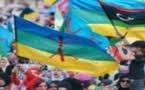
TAMAZGHA CELEBRATES YENNAYER 2966


  Let us first mention how some scholars explain the inception of the Amazigh calendar. According to them, the origin of Yennayer refers to the first mention of Amazigh people in historical records: the founding by Amazigh Pharaoh Sheshonq I of the 22nd pharaonic dynasty in 958 BC, followed by the 23rd and 24th Amazigh pharaonic dynasties, over 200 years (958 BC-712 BC) of Amazigh rule in ancient Egypt. According to ancient Egyptian historian Manetho (3rd century BC) and archeological records, Amazigh Pharaonic dynasties brought back stability to Egypt by reunifying it and defending it against foreign invasion from the East.
In summary, Yennayer 2966 that we  will celebrate this year commemorates the first mention of the Amazigh people in history. Significantly, it refers to Imazighen as the contributors to the glorious Egyptian civilization. 13 January corresponds to the end of armed conflict between Imazighen and the Egyptian pharaohs.
Here are some few traditions related to the celebration of Yennayer (on January 13th) in some areas of the large land of Tamazghra as they had been described at the beginning of the twentieth century by some French ethnographers since our ancestors didn’t keep records of their practices and since these traditions are unfortunately in the process of disappearing if nobody act efficiently in order to save them.Image result for TAMAZGHA CELEBRATES YENNAYER 2966 images
The festivities are strictly a family affair involving specific dishes. Couscous with chicken is the predominant dish, which embodies the whole symbolism of the event. Nowadays, the celebration -when it takes place- is limited to a special meal like, usually prepared in a household with elderly members or to a party usually initiated by young active members of Amazigh movements in urban societies where most of Imazighen evolve today.
Yennayer should be an occasion to learn more about the cultural background of our ancestors, and to make every effort to transmit this heritage to the young generation that hardly speaks and cares about its significance.
Celebrating Yennayer could also be a step to affirm a fundamental cultural aspect of Imazighen  and further more an attempt to revise or reappraise the official historiography.
The Agraw.com members accustomed to attend celebrations organized by some Amazigh association in Huceima and Nador and documenting the event.Image result for TAMAZGHA CELEBRATES YENNAYER 2966 images

Saturday, December 19, 2015

Argan oil production Only from Morocco


<><>
Argan  tree   CompositionArgan oil has gained an international reputation as nature’s anti-aging skin care product. It is rich in naturally occurring antioxidants, essential fatty acids, carotenoids, ferulic acid, sterols, polyphenols, and contains remarkably high levels of vitamin E. Argan Oil contains Squalene, a unique and rare component which is suggested to protect against skin cancer. Argan Oil amazing inventory of active ingredients provides your skin and body with the nutrients it needs to maintain its healthy radiance.

Argan oil is traditionally used for skin, hair and nail care, cooking, massage, the prevention of stretch marks, and the natural healing of dermatological disorders. Extensive research has revealed that argan oil: restores the skin’s water-lipid layer and increases the amount of nutrients and oxygen in the skin cell, neutralizes free radicals, and protects connective tissue. Its chemical composition has prompted numerous laboratories to use it in their best selling products.Argan seeds    Argan Oil is 80% unsaturated essential fatty acids. The most abundant of which are Omega 9 (Oleic acid) and Omega 6 (Linoleic acid). Omega 6 is the most sought after of the polyunsaturated essential fatty acids. Essential fatty acids protect cellular integrity and affect cell fluidity, helping to prevent loss of moisture from the skin. They play a vital role in the formation of prostaglandin, a natural anti-inflammatory that reduces pain, swelling and inflammation, while stimulating blood circulation. This vital component makes Argan Oils™ ideal for massaging stiff arthritic joints and aching muscles.
Argan Oil is exceptionally rich in natural Tocopherols (vitamin E) as well as high molecular weight proteins. Vitamin E contributes to the steady development of all bodily systems, protects fat soluble vitamins and essential fatty acids, attracts and maintains hydration, and is a powerful anti-oxidant. The abundance of high molecular weight proteins found in our product construct a network of molecules that creates an instant and visible tightening effect.
Our culinary argan oil has a light and delectable taste that promotes a heart-healthy lifestyle. In recent clinical trials, the consumption of argan oil is shown to lower cholesterol and reduce cardiovascular risk factors thus defending against the onset of atherosclerosis. The extremely high levels of essential fatty acids and the anti-oxidant effect of vitamin E, sterols, and polyphenols help protect your heart and contribute a healthy lifestyle.A Comprehensive Description Of The Main ComponentsEssential Fatty Acids are necessary fats that humans cannot synthesize and must be obtained through diet or skin treatments such as Argan Oils™. They are building compounds the body needs to manufacture and repair cell membranes, enabling the cells to obtain optimum nutrition and expel harmful waste products. They are necessary for regulating healthy skin and premature aging. These acids perform an important role in the lipid management of the epidermis, sebum production, and are required for the formation ofprostaglandin. They all have water-binding, moisturizing and antioxidant properties.Argan Oil for eatingProstaglandin is a lipid compound derived enzymatically from essential fatty acids within the cell. It serves as catalysts for a large number of processes. It helps to regulate body functions such as heart rate, blood pressure, smooth muscle contraction, circulation, and immune function. Prostaglandin is a natural anti-inflammatory and acts as a controlling factor in overall cell growth and development.
Carotenoids are a class of natural fat-soluble pigments found in plants that serve to protect eyes and skin from UV radiation and free radical damage; to help maintain our immune system; to promote healthy skin and inhibit the growth of cancer cells. They have been shown to lower the risk of arthritis. The class of carotenoids detected in Argan Oil is xanthophylls. They function as an antioxidant and after absorption from food are converted to form vitamin A in the small intestine and stored in the liver. Carotenoids also protect the arteries and heart. Their antioxidant properties help inhibit the oxidation of LDL cholesterol, the “bad cholesterol”, which can lead to build up of plaque in the arteries.
Polyphenols or polyphenolic compounds are natural components of a wide variety of plants and are also known as secondary plant metabolites. These active compounds are known for their antiseptic, antioxidant, anti-inflammatory, anti-allergenic, and anti-aging properties. They enhance immune response, enhance cell-to-cell communication, repair DNA damage caused by smoking and other toxic exposures, and assist the body to detoxify carcinogens through the activation of the body’s immune system.
Ferulic Acid is the most abundant phenolic compound found in Argan Oils. This antioxidant helps prevent damage caused by ultraviolet light. Exposure to ultraviolet light actually increases the antioxidant potency of ferulic acid. It is often added as an ingredient of anti-aging supplements. Studies have shown that ferulic acid can decrease blood glucose levels and can be of help to diabetes patients. It seems to protect against many types of caner, bone degeneration and menopausal symptoms, such as hot flashes. Like many other antioxidants, ferulic acid reduces the level of cholesterol and triglyceride, thereby reducing the risk of heart disease.Argan Oil productionSqualene is a nutrient-rich oil. It is a fat-soluble antioxidant with the unique ability to anchor itself to the body’s cell membrane. It can deactivate the free radical known as a singlet oxygen, the free radical that is generated by exposure to the sun’s UV radiation, and can also absorb and bind fat-soluble toxins, helping to excrete them from the body. Squalene is involved in the process of cell growth. It is able to penetrate deeper and more readily than most other oils. Its compatibility with skin lipids can be attributed to the fact that human sebum, the skin’s own moisturizer, is comprised of 25% squalene. It is proven to have a positive effect on mature and rosacea skin. It is a natural bactericide and healer, and has been shown to have effects in the management of dermatitis and skin cancer.
Sterols (Phytosterols) are a class of lipid-like compounds that helps to prevent skin aging by improving skin metabolism and reducing inflammation. They promote excellent moisture retention and penetrate quickly. They are vital to the structural integrity of the cell membrane. They work in harmony with human skin because the chemical structure of plant sterols and human sterols is very similar. In the skin, human sterols are the main component of its outermost layer and play a fundamental role in aiding and maintaining optimal skin barrier function. Two of the families of sterols found in Argan oil, schottenol and spinasterol, are known for their anticancer properties and are rarely found in vegetable oils. Additionally, sterols are known to block cholesterol absorption sites in the human intestine thus helping to reduce the overall amount absorbed in the body.Argan oil for CosmeticsVitamin E (Tocopherol) is a fat-soluble vitamin. It is a powerful antioxidant and excellent free-radical scavenger. Vitamin E protects essential fatty acids and vitamin A levels in the body. It accumulates in the epidermis and forms a barrier against moisture evaporation from the skin. Vitamin E prevents cellular aging due to oxidation, aids in bringing nourishment to cells, and decreases inflammation and strengthens capillary walls. It has been shown to significantly help in the reduction of scarring from wounds and the appearance of stretch marks. Vitamin E’s antioxidant properties help to prevent oxidation of LDL cholesterol, the so-called “bad cholesterol”. This may lower the risk of heart disease and stroke. Research has suggested a link between vitamin E and the prevention of certain cancers and degenerative diseases.Argan oil for cosmetics

Atlas Moutains

Image result for atlas mountains imagesThe Atlas Mountains are situated in North Africa, In the Morocco.These ranges of mountains are considered the bigest and the highest in North Africa. People who live in these mountains are called Imazighen( Berbers) The native of Morocco.There are 4 main ranges  of mountains:Image result for atlas mountains images
 The Rif mountains the highest pick is called Tidghine 2200 m high.These mountains are situated in the north of teh country along the mideteranean sea.Image result for atlas mountains images
  Middle atlas: Noth center of Morocco towards the north east.: Highest pick called mountain Bounasses over 3200 m high.
   High atlas mountains are situated from MID WEST from Atlatic ocean crossing Morocco toward Algeria: the hihest pick is Toubkal 4165 m high.There are about 10 pick which culminate over 4000 m high in High Atlas MountainsImage result for atlas mountains images
   Small Atlas: in the south west of Morocco.This moountais are considered as a fence against the very hot wind coming from moroccan sahara .the highest pick is sroua 2100 m high.
 These mounatisn are covered with a diversity of  flora and fona.  Argan trees, Thuya trees. thyme ,vendar , ,,..... fona: macacs samll monkeys, wild cats,  wolves, foxes....Image result for atlas mountains images


Moroccan Gastronomy


Country’s cuisine is influenced by the Africans, Arabs, Berber, Jews, Middle Eastern, and Mediterranean flavors , and Moorish. Morocco produces a huge range of Mediterranean vegetables, fruits and also cattle, seafood, sheep and poultry as base for their cuisine. TagineMost common spices that give flavor to the food are anise seed (used in cookies and breads), cumin (most flavored spice and usually used in chicken, lamb and meats), ginge (used in several stews), paprika (used in vegetable and tomato dishes), sesame seed (usually used in desserts and breads) and turmeric (usually used in harira soup).

Sweentend Somolina

          The national dish of the country is couscous, which is served with vegetables and meat. It is one of the most recognized North African dishes worldwide. Couscouss with vegetabales and meat      Other well-known Moroccan dishes are boulfaf (cooked with garlic, calf liver and lamb crépine), ferakh maamer (cooked with chicken), harira (soup), kefta (prepared with meatballs), khlea (preserved meat with egg), mechoui (roasted lamp), pastilla (cooked with chicken, seafood and almonds), tajine (prepared with meat and vegetable), and tanjia (preserved lemons and red meat). 
        Seasonal fruits are usually served at the last part of meals. Common desserts are kaab el ghzal (a pastry with almond paste and sugar on topped), rice pudding (prepared with milk, rice and orange blossom water), limun bel-qerfa (oranges/cinnamon), sellu (roasted flour with butter, almonds, cinnamon, honey), shebakia (fried "cookie" bread dipped in sesame seeds and honey) and zucre coco (coconut fudge cakes). 

       The common beverages found in the country are beet juice (orange blossom water and beets), grape juice (white grapes), green tea (tea/mint), 'Asseer Limun (orange juice) and 'Asseer Rumman (orange blossom water/ pomegranate). 

Friday, December 18, 2015

HYPERMEDIA PROJECTS AND TAMAZIGHT (BERBER LANGUAGE)


       In the 1990s microcomputers became powerful enough to process graphics, sound, and video. When Apple and IBM identified a fertile soil in schools, interfaces were created to make writing computer programming easier for the general public, especially teachers and students with no interest in the technicalities of computer programming and learning computer languages.. Thus, in 1987 Bill Atkinson introduced HyperCard, the first authoring application for Apple (Goodman, 1990). In 1989, IBM released LinkWay. Both authoring applications allow users to develop interactive programs including text, graphics, sound, and links to video players, without computer programming.3

Today, there are several authoring systems on shelves or under construction (including Hyperstudio, Authorware, and Macromedia Director) in addition to web editors, presentation software, graphics/drawing and painting programs, animation and audio/video processors, and so forth. Some of these authoring systems are made for small and personal projects and others are used for the development of major electronic publications. The personal systems are easy to master but have limited capabilities, while the professional authoring systems require systematic learning and practice. These application programs provide users with ways to customize or create their own material. Some educators found in such a technology an opportunity for a flexible and inclusive system for the expansion of the experiences of their students. These application programs provide users with the capability to create, manipulate, and store text, graphics, sound, and image. In an educational setting, as individuals or as a team, students can use these application programs to learn mathematics, science, languages, or make their own programs to express themselves using text, graphics, sound, music, and/or images. From merely using the already made software, today with hypermedia applications, individuals with limited knowledge of microcomputers can compose their own material and distribute it on floppy disks, zip disks, CD-ROM, or publish it on the World Wide Web. Companies such as Geocities (1997) offer free e-mail accounts and several megabytes of space on their servers. Some companies such as Spree.net (n.d.) offer unlimited space on their servers. This is enough to host a large web site with text, graphics, animation, sound, and video files. Such companies also provide subdirectories to help their clients organize their files, a full set of tools, and technical support. Users do not even need to own a computer. They can use a school, business, or library services to access their e-mail and to develop a web site for free in most of the cases.
Currently, we are working at Francis Marion University on the development of an electronic encyclopedia for the preservation and the implementation of the Thmazight language in the public sphere. This project has the objective of encouraging the indigenous people of North Africa to preserve their language/culture. Visual arts, historical artifacts, and songs are the core of the program, which explores various pervasive symbols and metaphors. By listening to the enchanting music and lyrics of the Imazighen, the user will gain insights of their everyday lives. The project provides users with a selection of songs from North Africa. They are invited to browse through the stacks and explore the songs in Thmazight, English, French, and Spanish. Other stacks will include “Spelling Games,” “Learn to Write,” and “Understand Thmazight.”
     Amar Almasude1

Carfree Medina( ancient City) Fes


The Moroccan Medina

Most of the cities in Morocco have preserved at least portions of their medieval medinas. The streets in these areas are very narrow, and they are, for practical reasons, substantially carfree, although not always motorcycle-free. In early January 2002, I was fortunate to be able to participate in a workgroup studying the medina of Fes-al-Bali, believed to be the largest contiguous carfree area in the world, qua population. (Venice may be slightly larger in land area.) Our experiences and my photographs are the subject of these pages. The circumstances of the medina at Fes-al-Bali typify the other medinas, and since Fes-al-Bali is larger than the others, we will take it as a case illustration with respect to the pleasures and difficulties of life in a medieval carfree area.
It is worth mention that many cities in Morocco have "Ville Nouvelle" districts, built during the French occupation. The new parts of the city are often similar to the older parts in size and population. The new areas were built in the post-Haussmann era of French planning, which saw wide, straight boulevards and large block replace the tangled medieval practice of narrow, crooked streets. The new parts of Moroccan cities are almost as overrun with cars and motorcycles as their counterparts in the rest of the world, but the medinas remain an oasis of peace in a world that has become noisy, smelly, and dangerous.

The Medina of Fes-al-Bali

Fes-al-Bali, the larger of the two medinas of Fes, is a nearly intact medieval city.With a 2002 population of 156,000, it is probably the largest contiguous carfree area in the world today. In January of 2002, several like-minded friends and I spent five days in Fes during the course of a study tour. We met with local officials and toured the medina extensively in an effort to learn how the medina functions today and what problems it faces.

Attributes of the Medina

The entire medina was designated a UNESCO World Heritage Site in 1981, with 13,380 historic buildings since enumerated in the course of a thorough GIS survey of the medina. There are reputed to be 10,539 retail businesses in the medina, which remains a prime commercial center of the city of Fes (population about 1,000,000). The city is located at 34 degrees North latitude and 5 degrees West of the Greenwich meridian. The elevation is 414 meters, giving some relief from the otherwise very hot weather that prevails in the region for about nine months of the year. The entire city is still surrounded by high walls penetrated in a relatively few locations by historic city gates. There is only one large public square of any size, located near the geographic center of the medina. This area is penetrated by a road that gives access to buses, trucks, taxis, and some private cars. Several other gates are also open to road traffic, but in all cases these roads penetrate the medina only a short distance and end at a parking area without connecting to other roads. It is not possible to drive across the medina.
StatisticMetric Units
Population156,000
Medina DimensionsAbout 2400 meters E-W by 1600 meters N-S
Site Size300 hectares
Developed AreaNearly 100% of total site
Green AreaVirtually no public green space
District DensityAbout 550 inhabitants per hectare, including many workplaces
Floor Area Ratio (FAR)Estimated at 1.5
Longest Journey Within the MedinaAbout 40 minutes by foot
Automobile TrafficLimited road access to the medina proper; no through passage possible


Fine Grain, Human Scale

Fes-al-Bali is built to a human scale, and the building blocks of the city are small. The streets are very narrow and can at times suffer from serious congestion. In a walled city such as this, space inside the walls is at a premium. The main streets are thus lined with thousands of small businesses. Their premises are rarely more than a few meters wide, and sometimes only a couple of meters deep. Larger establishments still have only small entrances, with the bulk of the store located behind several other small storefronts. These shops are typically family businesses, and they are packed to the rafters with merchandise. It is not unusual for the proprietor to use a ladder or long hook to retrieve merchandise for a customer. Compared to shops in the West, there is an extraordinary density of goods per square meter of shop space. Most of these stores have no "aisles" as we know them - the customer stands in the street and the shopkeeper stands inside the shop, amidst the goods. It makes for an exceptionally efficient use of space.
The population density of Fes-al-Bali is estimated at 550 inhabitants per hectare. By contrast, the reference design for carfree cities has about half as many people per hectare. I estimate the FAR of the medina at 1.5, which is about the same as in the reference design. This is achieved with lower buildings but a considerably higher plot ratio (about 0.7). Because the space per inhabitant is comparatively low, the number of inhabitants per hectare is about double that in the reference design. The number of workplaces in the medina is not known but is quite considerable.

Streets

Some streets are as narrow as 60 centimeters (about two feet). Few streets are as wide as five meters (about 16 feet), and then rarely for any distance. The streets are generally too narrow to permit the use of bicycles, although there are a few areas in which they and motor scooters are found, mostly near one or another of the gates. In these areas, a few small trucks sometimes operate, primarily to remove waste. The remainder of the medina is entirely carfree.

Buildings

Buildings are typically 2-3 stories tall, with a fair number of single-story and 4-story buildings. No building exceeds four stories except the minarets of the mosques. Most residential buildings have interior courtyards, typically measuring five meters on a side.

Rooftops

In the hot, dry climate of Fes, rooftop space is valuable and much used. Nearly all buildings have flat roofs that are used to dry laundry, grow some ornamental plants, and sit out in the cooler evening air.

Freight

Within the city, almost no freight is delivered by truck, excepting a few areas near the gates. Several "utility areas" are located just inside or just outside a gate. This is where the change from motorized to non-motorized transport occurs. From here, freight is delivered by donkey, mule-cart, handcart, or on shoulders. The donkey is probably the most common means used, and one of the most common cargoes is LPG cylinders, seven of which can be carried by a single donkey. Even this load forces pedestrians to step aside in the narrower streets. (If gas were piped into buildings, the delivery of cylinders would, of course, no longer be required.) In terms of labor intensity, freight delivery in Fes-al-Bali is probably quite expensive, but this is tempered by the fact that distances are short and traffic delays are rarely an issue. The transshipment of freight in the utility areas is certainly an added expense. This is mitigated somewhat by holding markets in the utility areas, so that the goods only have to be unpacked and sold once. Most of the goods then move from the market to homes in the hands of purchasers.

Emergency Access

At the time of our visit, Fes-al-Bali was preparing to implement a network of emergency access streets. These were to have a minimum width of 170 centimeters, a width sufficient to permit the passage of 140 cm. vehicles. A few bottlenecks have been identified where minor reconstruction will be needed to maintain the 170 cm. minimum width. The city has purchased a standard narrow-track four-wheel-drive vehicle to use as an ambulance, and similar vehicles are expected to enter service as fire trucks. It seems likely that the city will also elect to use motorized vehicles to collect trash along these routes. It was difficult to see how emergency vehicles would be able to pass through some of the narrowest and most crowded streets, although people are accustomed to moving out of the way of burdened donkeys, which are nearly as wide.

Conclusions

While the circumstances in Fes-al-Bali are not ideal for a modern carfree city, they have posed no significant barriers to the continuance of city life almost entirely free of cars and trucks. Despite the commercial difficulties with freight delivery, the area remains the commercial heart of a much larger city and draws large numbers of shoppers and merchants from other areas of the city. While we would today almost certainly never lay out a city with such narrow streets as Fes-al-Bali, these narrow streets are not, in fact, a serious burden on the city, its residents, or visitors. On the contrary, these streets serve a great many purposes besides transport. They act as informal social spaces (in some areas bordered by sidewalk cafes) and serve as extensions of commercial establishments. Fes-al-Bali, as it now exists, serves as an excellent model for sustainability. Except for modest amounts of LPG used for cooking and some water heating, the city is largely sustainable. The animals used to provide freight transport have been used for this purpose for centuries and could probably continue to perform this chore into the indefinite future. While Fes-al-Bali is not a rich city by Western standards, the people are healthy and comparatively prosperous, more so than the comparatively low figures for standard of living would lead one to believe. Fes-al-Bali is worthy of the attention of anyone interested in sustainable urban development.
  

INTERNET AND TAMAZIGHT CURRICULUM


    With the availability of computer communication technology in the 1990s and the growth of an important Amazigh student body in the Western hemisphere, the Imazighen seized the opportunity to build worldwide forums. Through Amazigh-net, for instance, an electronic mailing list established in July 1992, the Amazigh cause took an international dimension (Bouzida, 1994). Currently there are also several dozen web sites that are concerned with the question of Amazigh identity and strategies to implement the Thmazight language into the curriculum and mass media.

Prior to the Internet, the Amazigh identity was an internal question, meaning that Imazighen in Morocco for instance did not know about their “brothers” in Algeria, Tunisia, or Mali. The countries of North Africa succeeded in censuring information regarding the Amazigh community. Given that Imazighen were divided and isolated regionally as subgroups (such as Riffians, Shluh, Twareg, and Kabils), each assumed that their problems were local and did not have any significance to others.

Through Amazigh-net, the different groups of Imazighen began to perceive themselves as one community and the question of Thmazight is no longer that of debating the existence of an identity separate from that of the Arabs, as Shafiq argued. Members of different groups log on daily to discuss not only the urgent situation of Thmazight and Imazighen, but also the plans for the implementation of Thmazight in education, technology, and science.
With the Internet, Imazighen from all over the world have established a Virtual Community through which they have access to the various issues regarding their culture/language and identity. While the Amazigh question has been internationalized, a number of influential scholars, researchers, and talented artists have committed themselves to serve the Amazigh cause. Consequently, several projects aiming at teaching and learning Thmazight have been completed in the last four years. These include the creation of several computer fonts pioneered by the American artist Jo Anna Pettit from Marietta, Ohio, and the development of audiovisual and electronic materials for teaching and learning Thmazight. As a result of such a commitment, North African countries found themselves at an impasse. Through various forces, especially the computer communication technology, they were pressured to recognize for the first time in history the existence of Imazighen as a separate cultural entity.
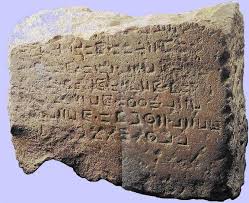
With a long history and an ancient alphabet, Thmazight is becoming one of the most important issues in North Africa, especially in Morocco and Algeria. The latter, after decades of struggle, was pressured to create in 1990 a Department of Amazigh Language and Culture (Departement de Langue et Culture Amazigh) at the University of Tizi-Ouzou (Lounaouci, 1994).4 Moreover, in the summer of 1994, the King of Morocco, Hassan II, felt compelled by various sociopolitical forces to recognize the importance of the Amazigh culture and language in Moroccan identity. In his speech, he announced the necessity of integrating Thmazight in the school curriculum (Ennaji, 1997).